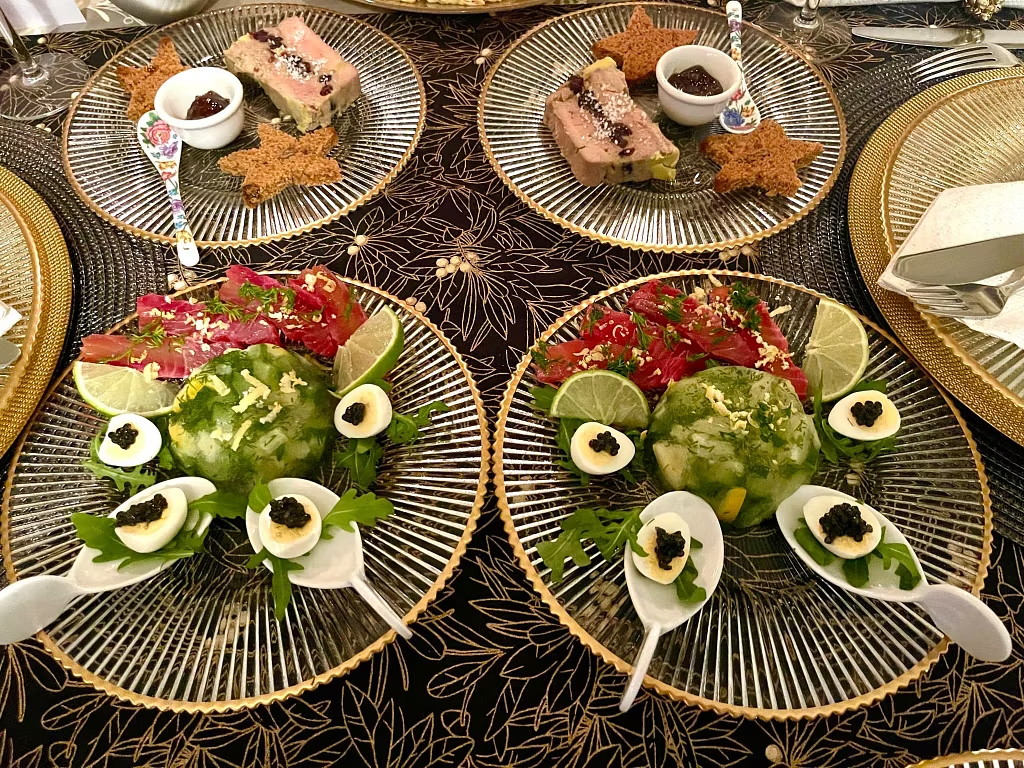
In luxury dining, a festive starter is a promise. It is the first bite that sets the tone of your meal.
Foie gras, gravlax and caviar have long been symbols of celebration, but their true power lies in restraint, patience and balance. A carefully marinated foie gras, gently cooked and allowed to rest for days, until its texture becomes almost silk, reveals a depth impossible to rush. Served with gingerbread and fig jam, it becomes nostalgic yet modern, indulgent yet balanced.
Equally refined is gravlax, an often misunderstood and overworked dish. Its Nordic roots remind us that luxury can be quiet. Beetroot, dill, citrus and gin cure the salmon slowly, enhancing rather than overpowering its natural flavour. Paired with cucumber aspic and black caviar, it becomes a dish of clarity and confidence.
Foie Gras Stars with Cranberries and Port
Served with gingerbread canapés and fig jam

Ingredients
- 500 g raw foie gras
- 100 g dried cranberries
- 2 tsp fine salt
- 1 tsp sugar
- 1 level tsp black pepper
- 2 tbsp port wine or brandy, or cognac
Method
Carefully remove any veins from the foie gras using a thin, sharp knife, separating it into pieces if necessary. Mix the salt, sugar, pepper and port to form a marinade. Place the foie gras on parchment paper and brush it generously on all sides. Transfer to a porcelain dish, cover with cling film and refrigerate for 24 hours.
Preheat the oven to 110°C. Pack the foie gras tightly into a ceramic terrine dish, layering with cranberries and pressing firmly to remove air. Place the terrine in a bain-marie and cook for 30 to 40 minutes, depending on how pink you prefer it. A core temperature of 52°C gives a softer blush; 54°C and above is more cooked.
When you remove the terrine from the oven, you can skim off some of the fat released during baking. I personally don’t do this, as it’s wonderful later on toasted bread.
Cool, then refrigerate for at least 48 hours before serving. Serve with gingerbread, fig jam and a sprinkle of coarse salt.
Cucumber Aspic with Gravlax Salmon and Caviar

Finely dice the cucumber and set it in cold vegetable stock with gelatin dissolved in it, lemon peel and fresh dill. Once set, serve with thin slices of gravlax salmon, boiled quail eggs and a small spoon of black caviar.
Beet Cured Gravlax Salmon
I want to share something I learned from a Swedish friend, where gravlax originates. Many recipes, even by famous French chefs, refer to this dish as “salmon gravlax.” In Swedish, however, lax means salmon, and gravlax literally means “buried” salmon. So when we say “salmon gravlax”, it’s like saying “salmon salmon, buried” 😊.
Despite this tautology, the term has entered culinary language, but I found it interesting.
Ingredients
- 1 salmon fillet with skin, about 700 g
- 1 bunch dill
- 500 g cooked beetroot, finely chopped or grated
- Zest of 1 lemon
- 80 g sugar
- 150 g Guérande salt
- 10 g ground pepper
- 3 tbsp gin
Method
If the salmon has not been previously frozen, freeze it briefly before curing. Mix all the ingredients to form a curing mixture. Coat the salmon thoroughly, wrap it tightly in cling film and refrigerate it for at least 48 hours, weighing it down lightly. Remove the cure, wipe clean and slice thinly to serve.
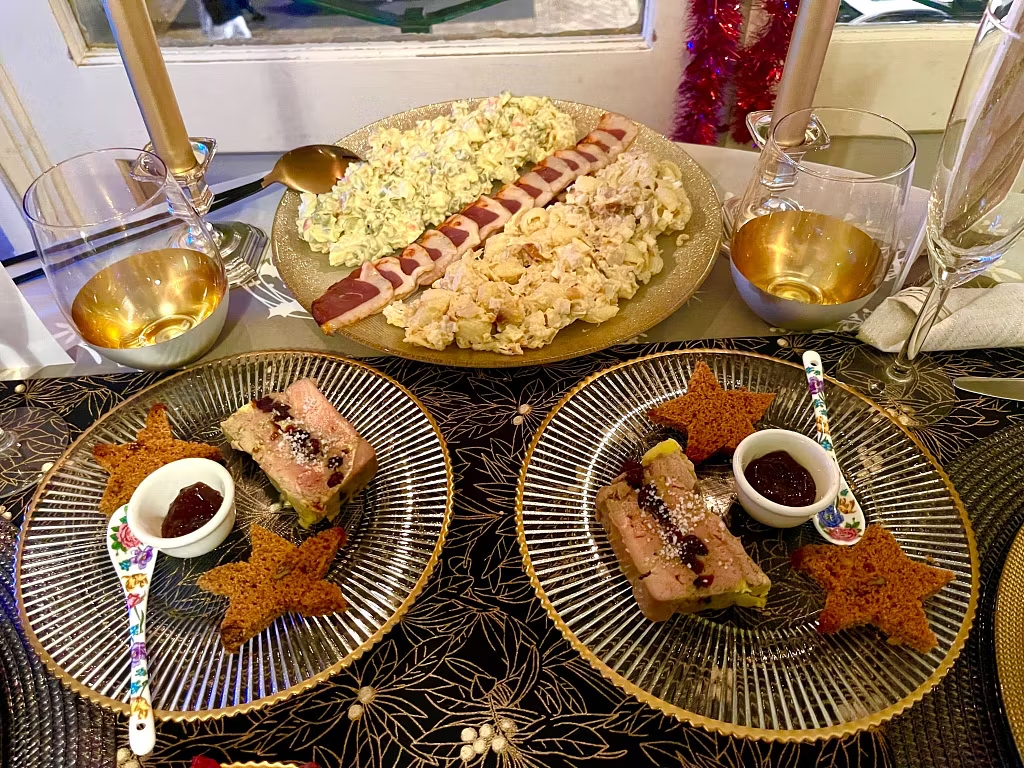

Bon Appetit!
I hope you share these festive appetisers with your loved ones at the table!