Biodiversity, Rewilding, Sustainability
Three words that strike fear into my heart every time I hear them. Don’t get me wrong, I absolutely believe that working with nature to heal our environment is the right thing. It’s just that, well, nobody likes to be feel intimidated. I’ve been gardening for over 30 years, professionally for fifteen, but I’ve always harboured a secret belief that I’m not a real gardener because I don’t have a compost bin.

In fact, it’s only recently that I’ve installed a water butt, partly to save the world and partly to assuage my guilt.
For those of us who enjoy pottering about in their gardens, having to change the world is rather a tall order. But there are countless ways in which we can all make a difference.
What exactly is meant by biodiversity?
The World Wildlife Fund tells us that ‘biodiversity is all the different kinds of life you’ll find in one area – the variety of animals, plants, fungi, and even microorganisms like bacteria that make up our natural world. Each of these species and organisms work together in ecosystems, like an intricate web, to maintain balance and support life.’
So far, so good.
The simplest way to improve the balance in our gardens, is to let nature take its course by ditching the chemicals. In theory, pests will be eaten by their natural predators. I’ll be honest with you, I still spray my lilies for lily beetle and my roses for blackspot, but I only do it at the beginning of the season and that’s it. And it has made a difference. But it takes time. Don’t beat yourself up if you aren’t 100% organic, compromise a little. Be kind to yourself as well as the environment and gradually your garden will become a welcome wildlife haven. Ultimately, if you work with nature, your garden will start to take care of itself.

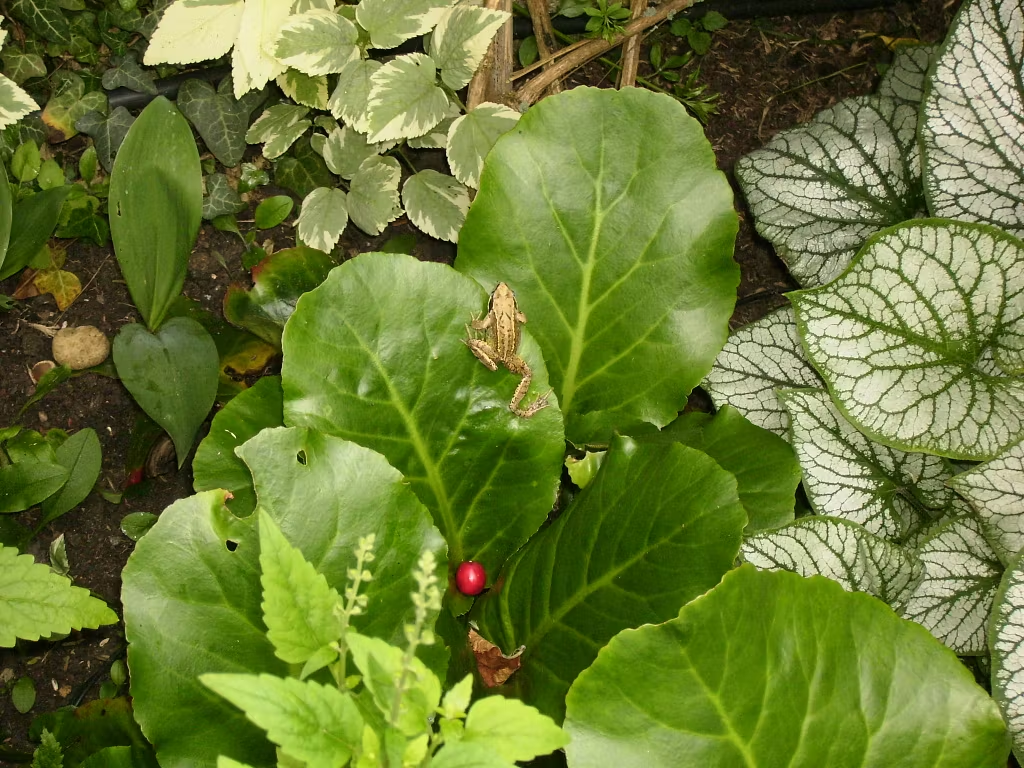
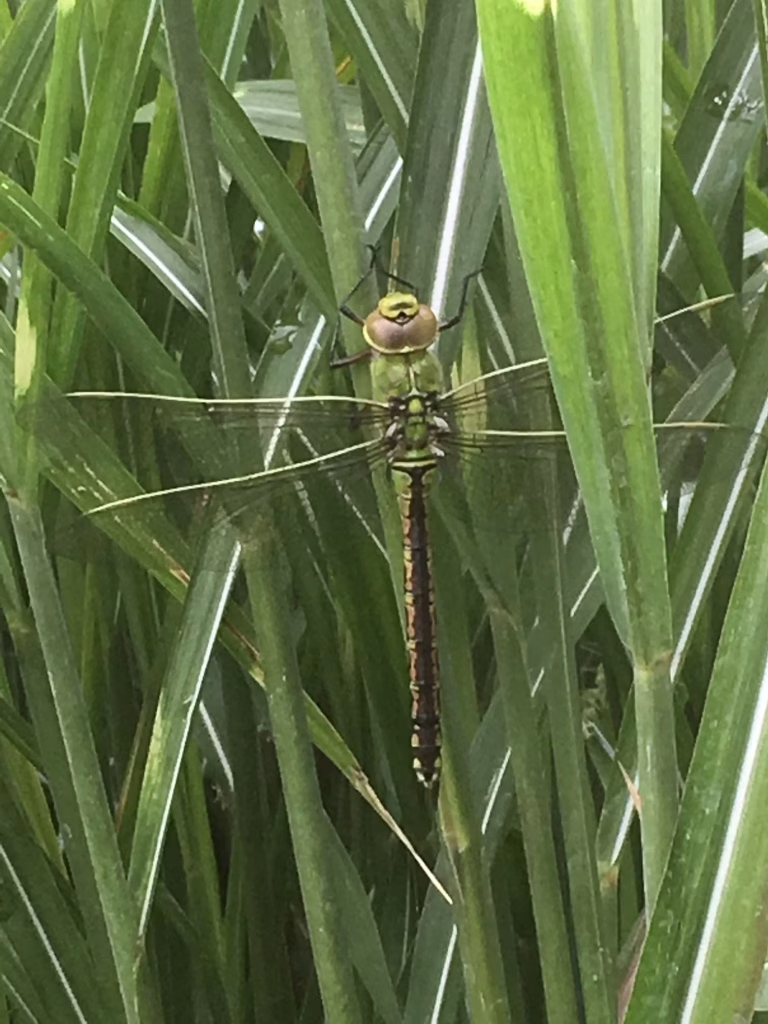
Happy bees on Sea Holly or Eryngium | Frog in the shade | Female emperor dragonfly on ornamental grass
But what about slugs and snails, I hear you cry? The mild, wet winter of 2024 produced an epidemic of the little blighters. Many a young plant was decimated and veg didn’t stand a chance. But as tempting as it was, I didn’t use slug pellets because they are poisonous to predating birds, hedgehogs and frogs. Install a pond. It doesn’t have to be big. Fill a half barrel, or large container with its drainage hole plugged up, and frogs and newts will come.
So, as the saying goes, if you can’t beat’em, join’em. I don’t hold with the horticultural elites’ opinion that we should learn to love molluscs, but I have learnt to live with them. And the secret is? Only plant plants that are slug resistant. As a guideline, if a plant has coarse leaves or furry leaves, it’s likely to be slug resistant. That rules out delphiniums, echinacea, larkspur, hostas, to name but a few. I just couldn’t give up my hostas, so I now grow them in galvanised buckets suspended from our Catio pergola, but more of that to come. Stalwarts like roses, jasmine, hardy geraniums, day lilies, Canterbury bells are all safe, but it is trial and error. Take a look at what’s thriving in your neighbours’ gardens and don’t be shy about asking for offsets or cuttings. Most gardeners will be flattered that you like their borders and delighted to share.
Now, Rewilding
To rewild your garden you are encouraged to ‘embrace natural processes’. I’m all in favour of No Mow May, the trend for letting all or part of your lawn grow longer during May, as it provides food and shelter for beneficial insects, but why do it only for one month? Just as the insects have found a new home, why take it away?
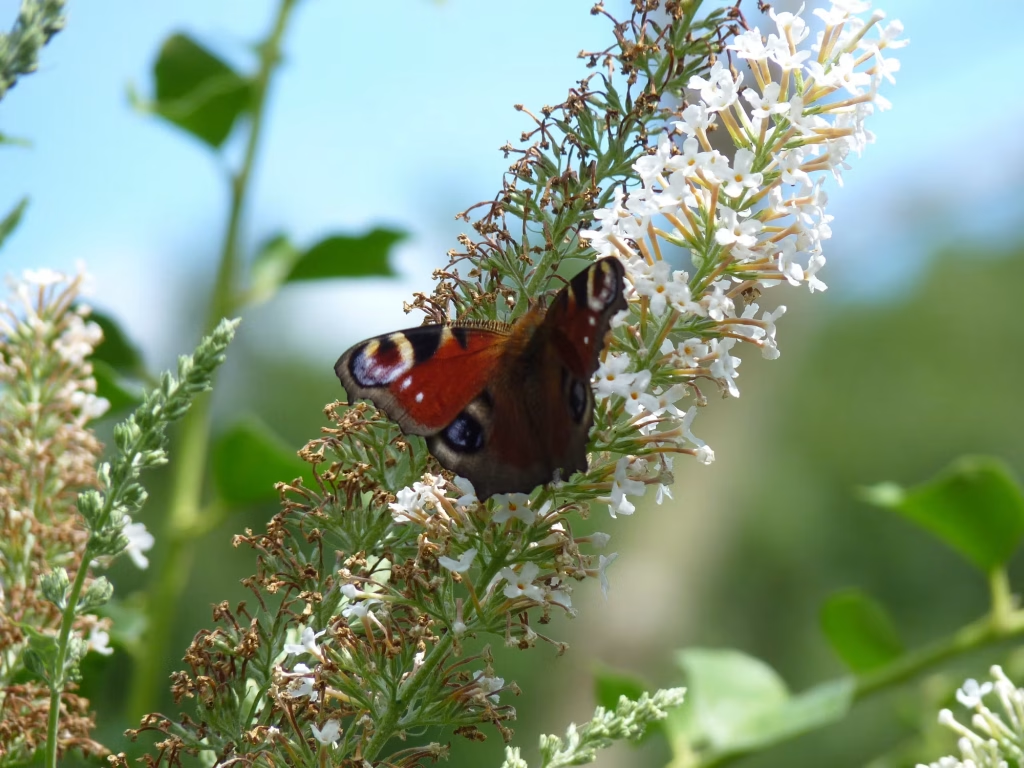
If you like a well striped lawn to lounge on or play sports on, there’s bound to be a small section you could leave uncut for the summer. And if you fancy a wildlife friendly lawn, then simply mowing a path around the lawn edges and through the middle can look quite smart. But don’t be fooled into thinking you will create a wildflower meadow. Creating a wildflower meadow can take years to establish and requires a good deal of space. More and more of the large UK estates are turning over several acres of arable land to wildflower meadows.
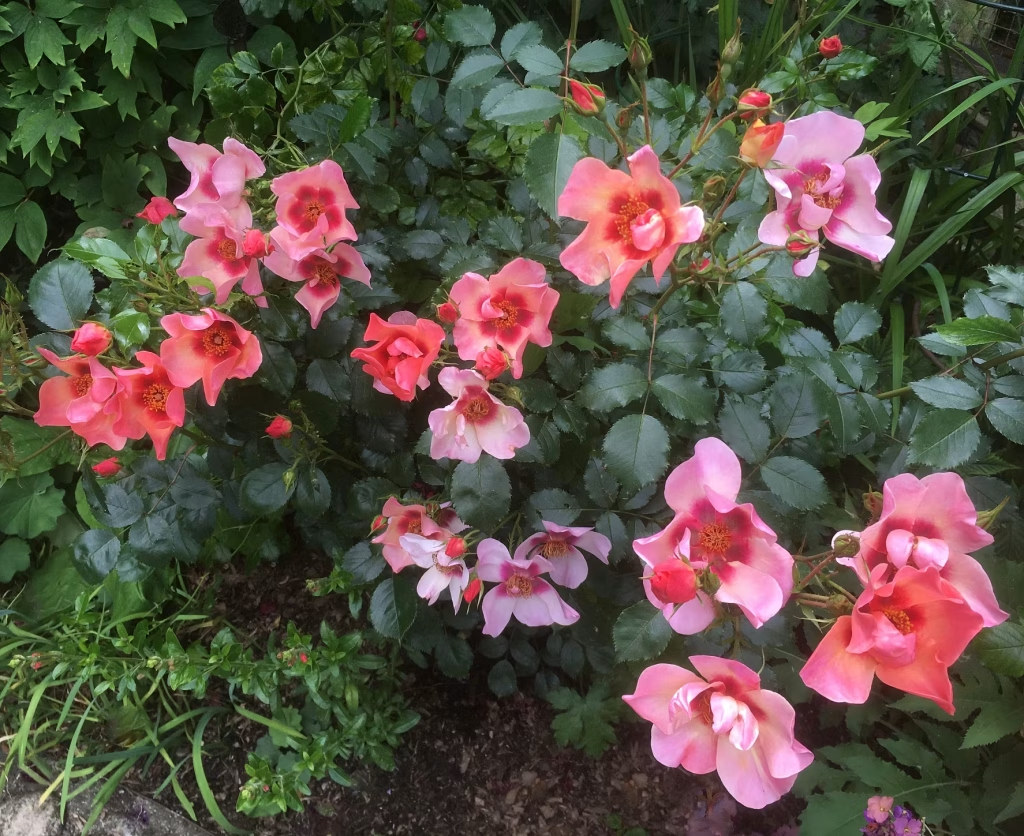
There are countless wildlife seed mixes that claim to rewild your lawn, but after a time the dominant grasses will smother your wildflowers, so come September mow it down, rake it up and start again next May. But you can enjoy wildflowers in your borders by sowing hardy annuals such as nigella or Love-in-a-Mist, or cornflowers. Once established, they will self-seed to return year after year, popping up in the most charming and unexpected places. Choose single flowered perennials, that is, blooms with one ring of petals and an exposed centre, favoured by bees and other pollinating insects, because they can easily reach the pollen and nectar.
Sustainability. The easiest of the triumvirate!
Sustainable gardening involves using practices that conserve resources, reduce waste, and create a balanced ecosystem within the garden. Reduce, recycle, renew. Install a water butt. There are slimline ones to fit the smallest of gardens.
I know this is a case of Do as I say, Not do as I do but try to have a compost bin. I had a client with the smallest of courtyard gardens, but she managed to incorporate three bins in her yard: one on the go, one rotting down and one ready to spread its home-made goodness on her borders. It really worked and occupied a space of 1.5m x 0.5m. After much persuading, another client finally installed a compost bin into her garden, and now I rarely use her expensive council recycle bin. Any woody cuttings get piled into a hidden corner to provide shelter for insects and small mammals.

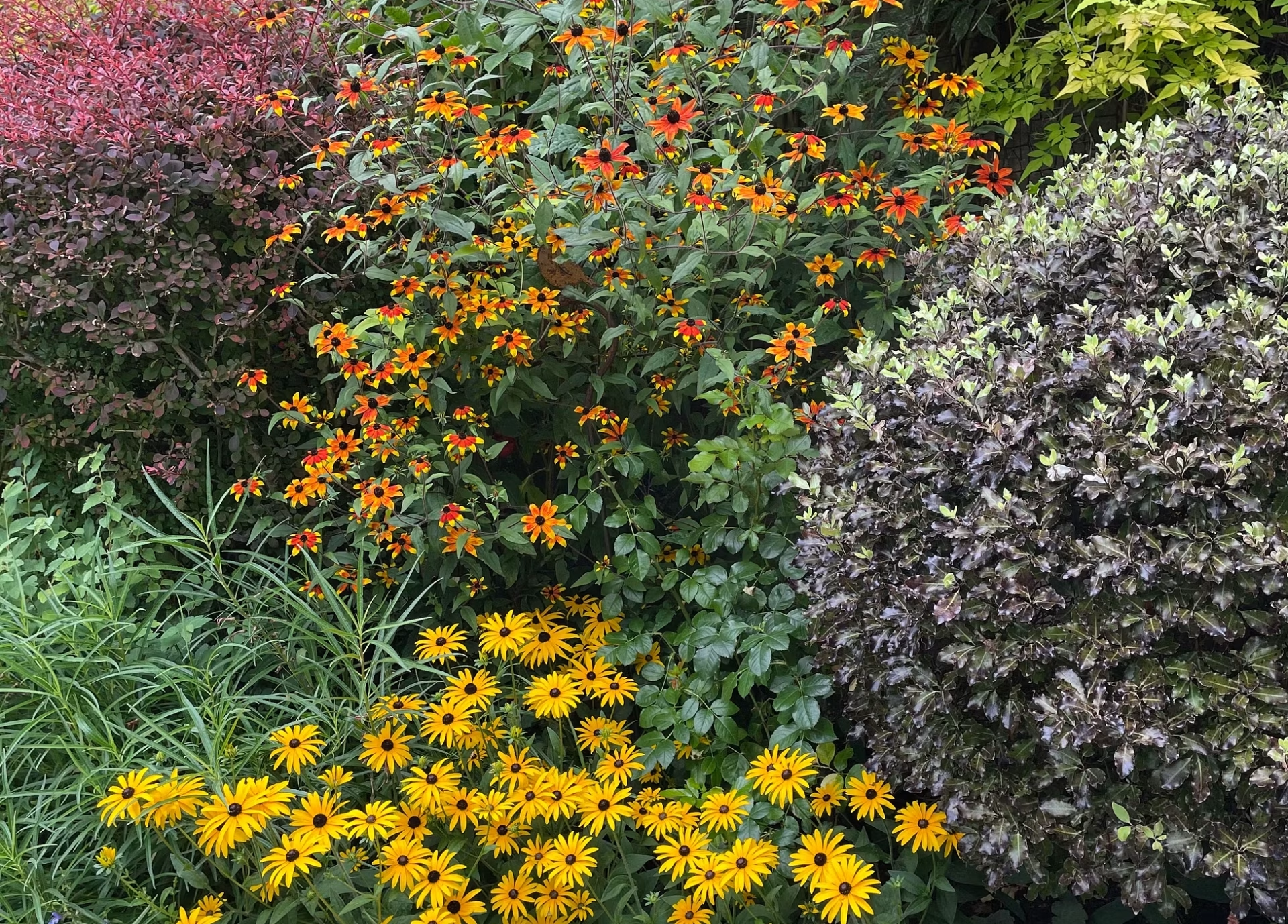
There’s been a lot of negative press about using annuals, as they require plenty of water, only last one season and have to be replaced every year. But there are sustainable options. Choose wisely. I love petunias and Million Bells calibrachoa, but they go off the boil at the height of the summer and have to be binned, but at least you can compost them. Begonias flower forever, don’t need deadheading, are happy in sun or part shade and can survive a certain amount of drought. Their tubers can be dried and stored in egg boxes in a cool, dry drawer and will come back bigger and better every year. No magic, really simple. Pelargoniums can be brought indoors to overwinter as houseplants. Heucheras come in a huge array of colours and are evergreen perennials. I like to replace the soil from container displays every year to avoid an infestation of the dreaded vine weevil – you’ll know you’ve got them when your heuchera goes limp and the entire crown comes away in your hand, because the larvae have eaten the roots – so I use it to mulch the borders. Any insects lurking in the compost will be food for the birds and the borders get a layer of protective mulch which nourishes and insulates the soil and dormant perennials over the cold winter months.

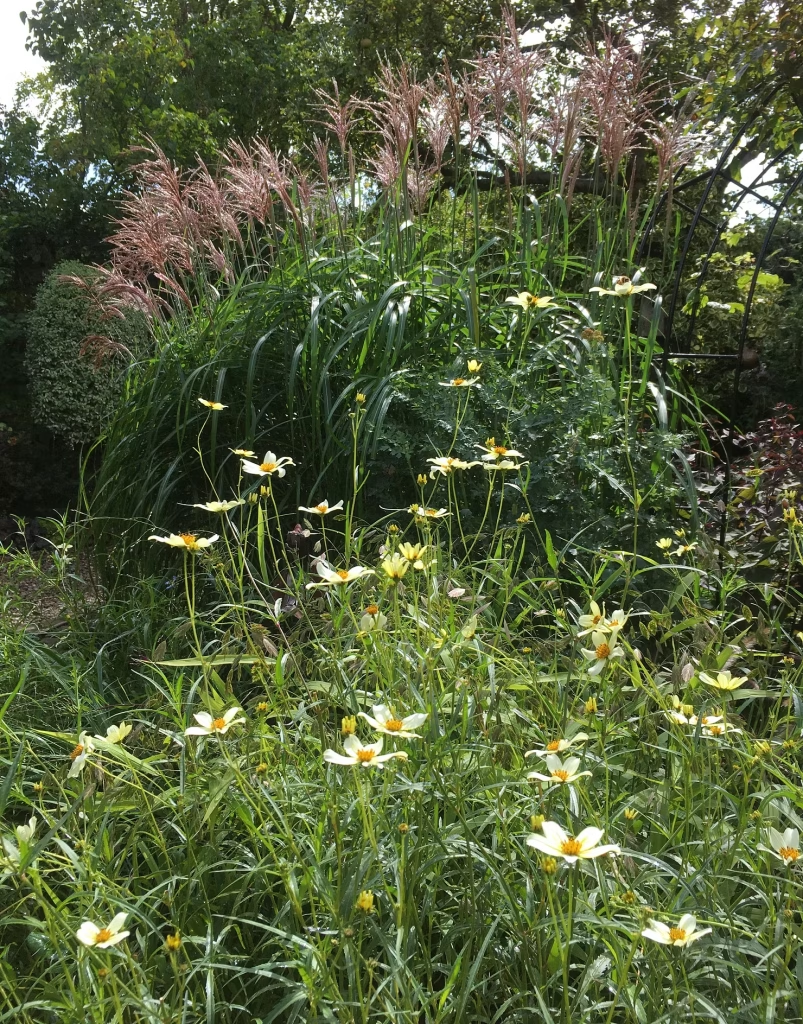
These concepts are by no means new. Back in the 1990s, Geoff Hamilton was preaching the gospel of biodiversity on Gardeners’ World, and Beth Chatto, famous for coining the phrase Right Plant, Right Place, converted her carpark into a sustainable Dry Garden, specifically designed with drought tolerant plants that have never been watered since.
But as a new generation of gardeners emerge, they are seeing things through fresh eyes, in an increasingly uncertain world.
So don’t be overwhelmed with the science of it all. Our minds are elastic so we can all adapt our practices in small ways, and this collective effort will make all the difference.