
Blooming with Intent: 2026’s Green Revolution
By Caroline Broome · · 7 min read
Well, here we are, in 2026, and I, for one I can’t wait to get outside into the fresh air once again and reboot after all the seasonal festivities. While I’m not a fan of New Year’s resolutions, this gardening downtime does give us space to reflect on last year’s successes and failures. So, if you would like to make changes in your garden, but need some inspiration, there’s a whole new raft of buzzwords emerging for the latest horticultural trends.
Climate-Resilience and Water-Scaping

It’s no surprise that the emphasis for 2026 stays firmly on sustainability and biodiversity. Climate-Resilience and Water-Scaping are front and centre. As gardeners, we experience the real effect of climate change, witnessing lawns turning brown and arid after extended heatwaves, and flowers desiccated from prolonged exposure to soaring temperatures. So, it’s vitally important to choose plants that can withstand unpredictable weather, from extreme summer heat and drought to increasingly wet winters.
Here is a list of climate-resilient plants.
With parking spaces at such a premium, many homeowners are turning their front gardens into driveways, but by using a water-permeable material, like gravel or bonded resins instead of paving, water is allowed to soak away into the earth below. This reduces flooding and urban heat, making it an eco-friendly and sustainable choice. And it looks smart and is easy to clean. I know, as I have it.
Mulching your borders with a thick layer of well-rotted manure or home-made compost, either in spring before new growth emerges, or autumn after leaf fall, will keep moisture in and stop soil erosion. Installing a porous hose or drip irrigation system enables water to seep slowly and evenly into the soil at ground level, minimising loss from evaporation, wind, and runoff that typically occurs with sprinklers or watering with a hosepipe. This can save up to 70% of water compared to traditional methods. A water butt is a must. Rainwater is far better for plants than mains water as it is naturally soft and free of chlorine. Lack of space? Slimline versions are readily available and easy to install.
Kew Gardens recently opened its Carbon Garden, an experimental project aimed at tackling climate change by selecting plants and hard landscaping that can withstand an unpredictable climate of drought and flash floods.
See more about the Carbon Garden here.

Regenerative Gardening
Nourishing and improving the soil, planting native species, providing habitats for birds and insects, and avoiding synthetic chemicals. All these practices come under the umbrella of Regenerative Gardening.
Working with nature, rather than against it, creates a more resilient garden ecosystem, which ultimately becomes self-sustaining and therefore less dependent on human input.
Purpose-Driven Gardening
Chances are you inherited your garden and have added to it gradually over the years without a specific plan, and now it’s looking a bit tired.
Purpose-Driven Gardening focuses on the function of your outside space, rather than just how it looks.
Ask yourself:
What do you want from your garden?
Do you still need a lawn now that the offspring have flown the nest?
You might prefer to leave it unmown through the spring and summer months, to support local ecosystems, or replace it altogether with gravel, allowing plants to self-seed, as well as reducing maintenance.
Patio Culture
Is your patio in the right place?
Do you like to soak up the midday sun?
Or do you seek the seclusion of a shady sanctuary away from prying eyes?
Or a patch of ground where you can take in the setting sun at the end of a busy day?
Choose the location of your seating areas according to your needs.
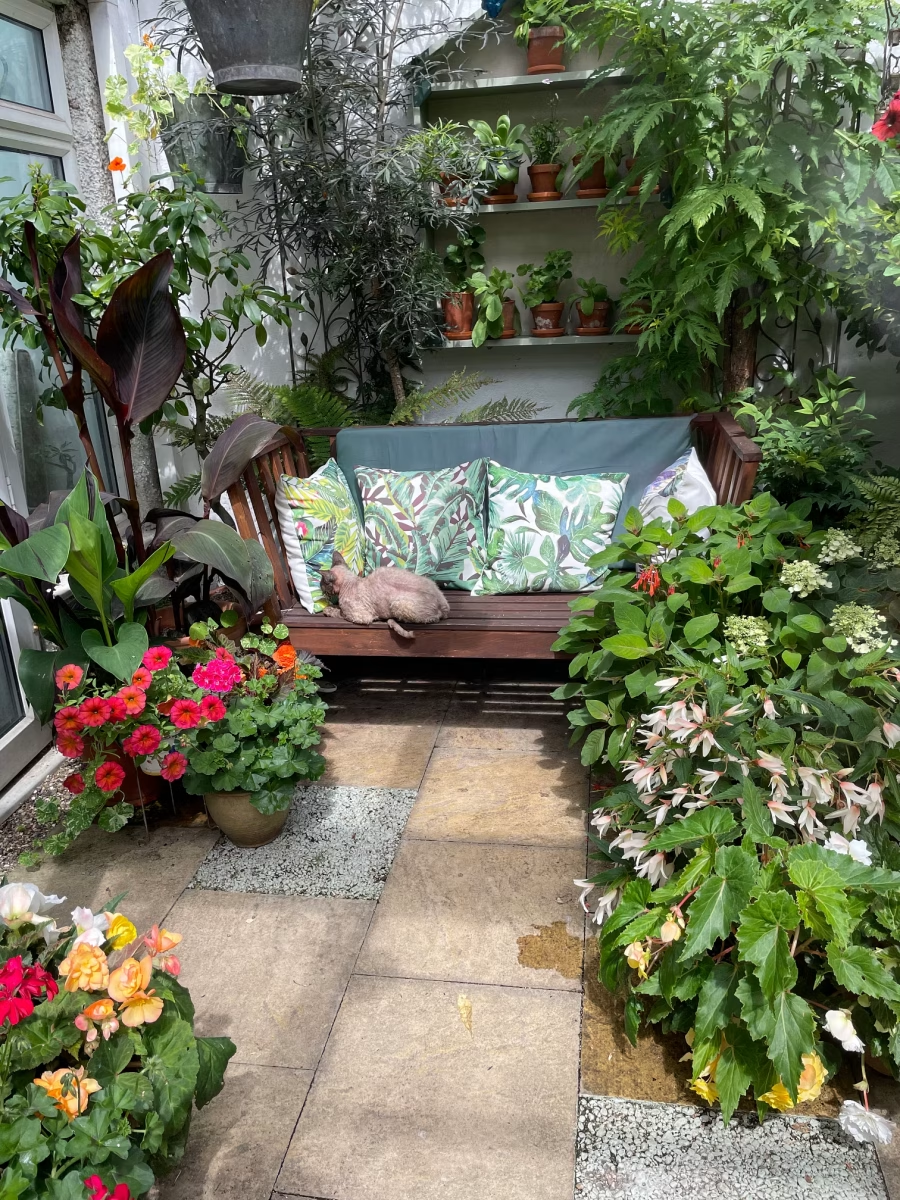
Patio Culture, treating patios and decks as extensions of indoor living rooms, focuses on comfortable outdoor furnishings and abundant container gardening.
Edimentals
Edimentals, put simply, are any plants that are edible as well as ornamental. It is the art of combining edible plants, like artichokes and strawberries, with ornamental planting to create landscapes that are both beautiful and productive.
Rather than more traditional edible crops, edimentals tend to be low maintenance, either self-seeding annuals or perennials. Grown in the French potager style, plants are interspersed throughout your ornamental borders. Plants that earn their keep range from herbs, such as architectural bronze fennel, nasturtium, rainbow chard, and even dahlias, through to fruit bushes and fruit trees, trained onto cordons or fans against boundary walls and fences. In fact, if you look around your garden, you will probably be growing any number of edimentals already.
Faded Petal Colours

Faded Petal Colours, no doubt influenced by designer Jo Thompson’s The Glasshouse Garden at last year’s Chelsea Flower Show, is a trending colour palette of muted reds and dusky pinks, offering a sense of nostalgia and calm, and representing strong beauty.
This gold medal-winning show garden was inspired by The Glasshouse, a groundbreaking social enterprise supporting women as they leave prison, celebrating the transformative effect of second chances, through a programme of horticultural training, employment and resettlement support.
Here you can learn more about The Glasshouse Garden and the RHS Chelsea Flower Show 2025.
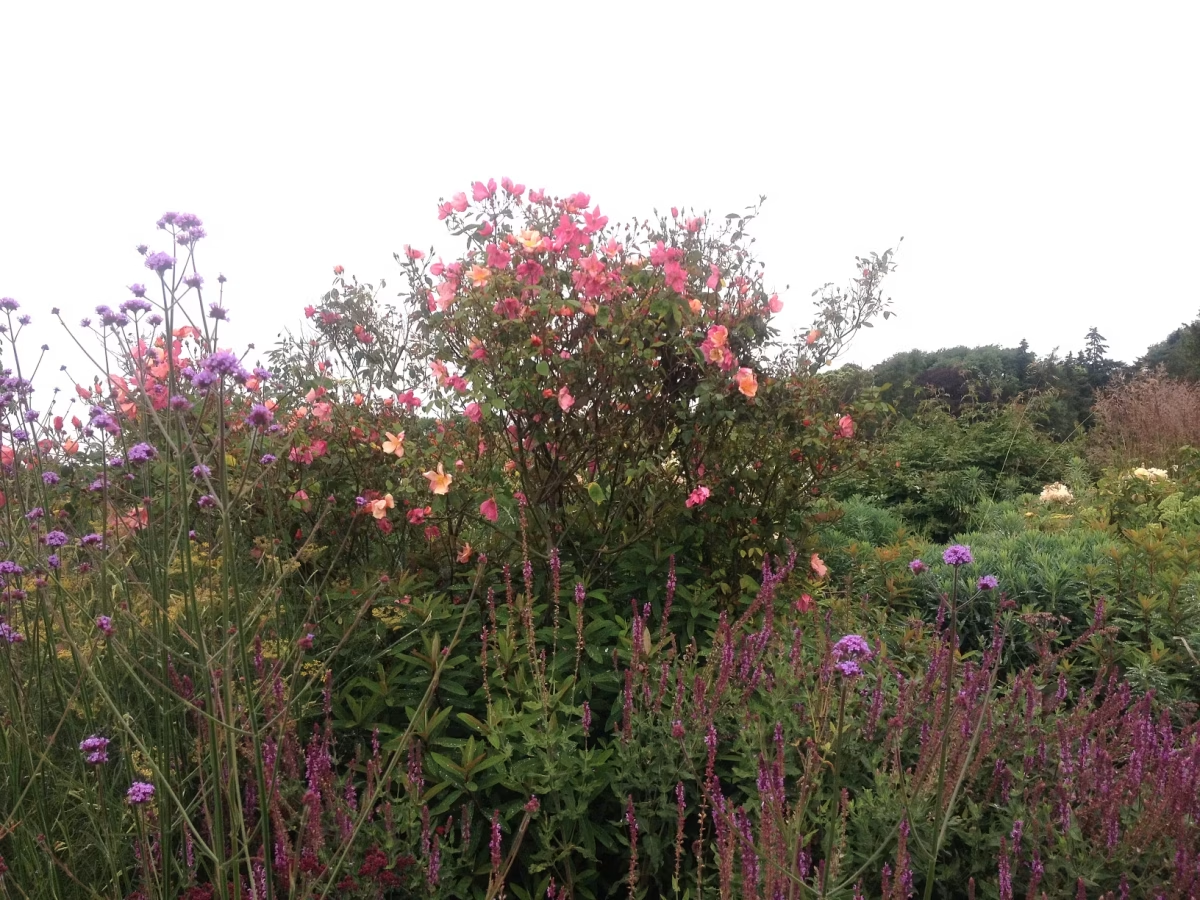
In addition to the show garden’s Roses Tuscany Superb, Rosa Charles de Mills, and Rosa Emma Bridgewater, choose repeat flowering Rosa Flower Carpet Coral, a compact ground cover variety sporting large sprays of single apricot blooms, loved by bees, disease resistant, so no spraying required, and especially suited to dry, sunny borders. Best of all isRosa Mutabilis, a sprawling shrub rose, covered in sprays of single dusky pink flowers that fade to peach, cream and coral. Peachy perennials such as furry Verbascum Helen Johnson, geum Petticoats Peach, salvia Peach Parfait and achillea Firefly Peach Sky, against a striking contrast backdrop of purple Smoke Bush and weigela Florida Bristol Ruby, edged with heuchera Berry Smoothie and sedum Purple Emperor, all drought resistant and bone hardy, and you’ve nailed it!
And finally, here are some catchy trends, which are close to my heart, to further whet your appetite!
Barkitecture
Designing landscapes that welcome pets, using pet-safe plants and creating designated areas for them. Our Catio, a mesh-enclosed, open-air patio, full of runways and hidey-holes for our cats, lush planting for me and comfy lounging areas for all, ensures that the felines have the benefit of the outdoors without risk of escape, and the birds can safely enjoy the garden beyond.
Lemonading
A cultural shift that transforms setbacks or unexpected gardening outcomes, such as self-seeded plants, into opportunities through creativity and mindfulness, embracing imperfections. I used to feel like a failure when one of my plants failed to thrive, but now I see it as an opportunity to try something new. The psychological term Lemonading takes its name from the proverb, When life gives you lemons, make lemonade.
Green Infrastructure

Creating vertical gardens using walls, trellises, and multi-tiered planters to add greenery in urban or limited spaces. Surrounding yourself with living, breathing plants cools the mind and soothes the soul.
Ecotherapy
With the emphasis firmly on using our gardens and community green spaces for emotional well-being, perhaps it’s no surprise to learn that the new CEO of the National Garden Scheme, Dr Richard Claxton, is a former GP. Richard founded Gardening4health ‘to champion therapeutic horticulture, connecting people to nature for improved health, by creating a network for providers throughout the UK, focusing on supporting individuals, communities, and the environment through nature-based activities.’
None of these ideas are new, of course, merely rediscovered by the upcoming gardening generation. So, does giving an established concept a new name breathe new life into it? Yes, I think it does. If it makes you rethink and reexamine your ideas, you’ll always be learning and growing.


